
Turf Access to Water and Nutrients
Lawn Aeration in Seguin for compacted soil preventing healthy root development
Compacted soil forms a dense layer that blocks water, oxygen, and nutrients from reaching grass roots, which results in shallow root systems that struggle during heat and drought. Aeration removes small plugs of soil to create pathways that allow these essential resources to penetrate deeper into the root zone. Trax Landscape provides lawn aeration services tailored to the soil conditions around Seguin and New Braunfels, where clay content and foot traffic contribute to compaction that limits turf health over time.
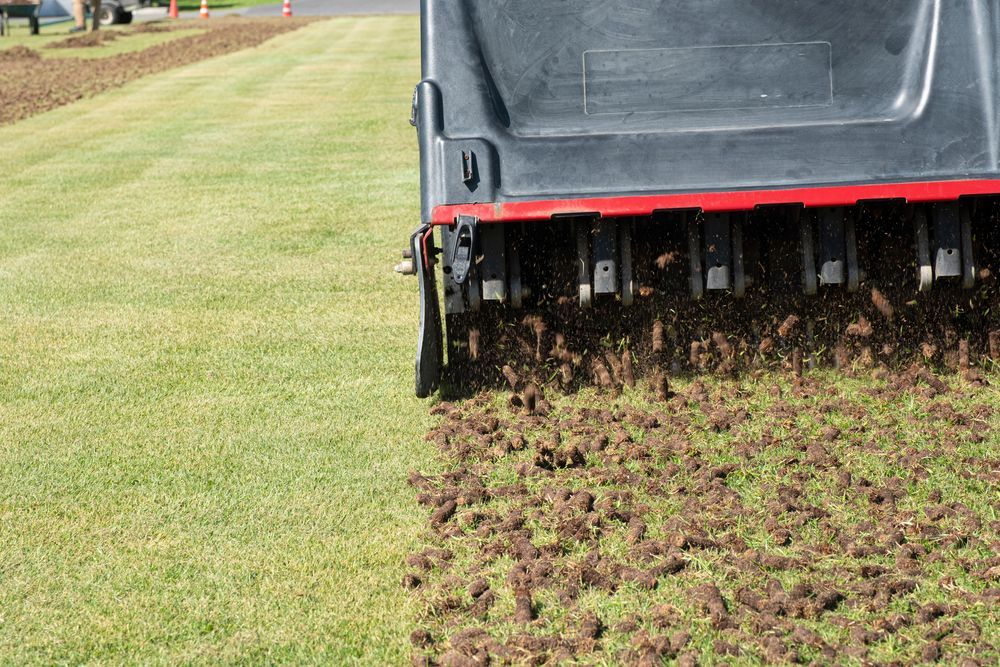
The process uses core aeration equipment that pulls out plugs of soil and thatch, leaving holes that remain open as grass roots grow into the newly available space. This mechanical approach addresses compaction more effectively than surface treatments, creating lasting improvements in how water and nutrients move through the soil profile.
Schedule an aeration service as part of routine lawn maintenance to support stronger turf growth.
What You Notice Once Aeration Is Finished
Aeration increases water infiltration so irrigation and rainfall reach roots instead of running off or pooling on the surface, which reduces the amount of watering needed to maintain turf health. The improved oxygen exchange and nutrient availability encourage roots to grow deeper, creating a stronger foundation that helps grass withstand summer heat and recover faster from stress.
After aeration, your lawn shows improved color and density as new growth fills in thin areas, water absorbs into the ground more quickly without leaving puddles, and turf remains greener during dry periods because roots access moisture at deeper soil levels. The plugs pulled during aeration break down naturally within a few weeks, returning organic matter to the lawn.
Seasonal aeration works best when scheduled during the growing season for your grass type, allowing turf to recover quickly and take full advantage of the improved soil conditions. The service is often combined with overseeding or fertilization to maximize results from the more open soil structure.
What Property Owners Usually Ask
Homeowners maintaining lawns in this region often have questions about how aeration improves turf health and when to schedule the service.
How does aeration reduce soil compaction?
Core aeration equipment removes plugs of soil, which relieves pressure in the root zone and creates channels that remain open as grass roots expand into the loosened soil.
What signs indicate a lawn needs aeration?
Grass that wilts quickly despite regular watering, water that pools on the surface instead of soaking in, hard soil that's difficult to penetrate with a screwdriver, or thinning turf in high-traffic areas all suggest compaction is limiting root growth.
When should lawns around Seguin be aerated?
Spring and fall offer the best conditions for warm-season grasses common in this area, with cooler temperatures and seasonal rainfall supporting rapid recovery and root expansion after aeration.
What happens to the soil plugs pulled during aeration?
The plugs break down naturally over two to four weeks as rain and irrigation dissolve them, returning organic matter and nutrients to the lawn surface without requiring removal.
How often should lawns receive aeration?
Most lawns benefit from annual aeration, though properties with heavy clay soil, significant foot traffic, or persistent compaction may require service twice per year to maintain optimal root zone conditions.
Trax Landscape adjusts aeration services based on local soil conditions and each property's specific turf health challenges. Include aeration in your lawn maintenance plan to support long-term root development and drought resilience.