
Ground Preparation That Supports Future Growth
Soil Restoration in Seguin for properties with poor drainage, hard compaction, or repeated planting failures
Trax Landscape handles soil restoration in the Seguin-New Braunfels area for properties where plants struggle to establish roots, water pools after rain, or existing landscaping fails to thrive despite regular care. Soil quality determines whether plants access the nutrients, moisture, and oxygen needed for sustained growth. When soil becomes compacted from construction traffic, depleted from years of planting without amendment, or remains too dense to drain properly, restoration work addresses the underlying structure before new installation begins.
The process involves evaluating current soil composition, drainage patterns, and root zone conditions to determine what amendments or grading adjustments will support healthy plant establishment. In many cases, clay-heavy soils common to this region require organic matter incorporation to improve drainage and aeration, while sandy soils benefit from materials that increase water retention and nutrient availability.
Schedule a property evaluation to identify specific soil conditions affecting your landscape.
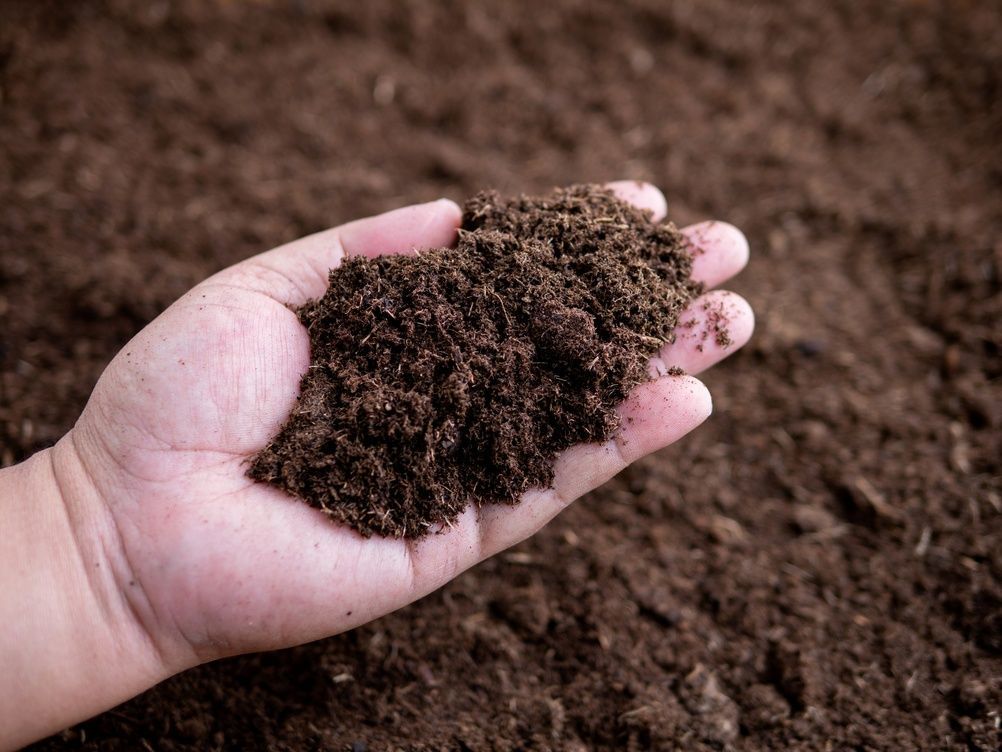
What Proper Soil Preparation Accomplishes
Soil restoration creates an environment where roots grow deeper and spread more effectively, which translates to plants that withstand heat stress and recover faster from drought conditions. The work addresses compaction that prevents water penetration, amends nutrient deficiencies that limit growth, and corrects drainage issues that cause root rot or standing water.
After restoration, you notice water absorbing into the ground rather than running off or pooling on the surface, new plantings establishing faster with less transplant shock, and existing vegetation showing stronger growth and fuller foliage. The root systems develop the structure needed to anchor plants during storms and access moisture during dry periods.
The scope of restoration depends on current soil conditions, the types of plants planned for installation, and whether drainage improvements require grading adjustments. Some properties benefit from targeted amendments in planting beds, while others require broader soil preparation across larger areas before sod or ornamental installation.
Questions Before Starting Your Project
Property owners preparing for new landscaping or addressing ongoing plant health issues often ask about soil restoration before committing to the work.
What signs indicate soil restoration is needed before planting?
Persistent standing water after rain, plants that fail to grow despite adequate watering, soil that forms hard crusts when dry, or areas where grass repeatedly dies back point to underlying soil problems that restoration addresses before new installation.
How does soil restoration improve drainage on properties in Seguin?
Incorporating organic matter and adjusting soil structure allows water to move through clay-heavy soils more effectively, reducing surface runoff and preventing the pooling common after heavy rain events in this region.
What happens during the soil evaluation process?
The evaluation examines current drainage patterns, tests soil composition and compaction levels, and identifies areas where amendments or grading adjustments will support the planned landscape installation.
When should soil restoration occur relative to planting?
Restoration work is completed before plant installation to allow amended soil to settle and drainage patterns to stabilize, which gives new plantings the best conditions for root establishment.
What long-term difference does soil restoration make for landscaping?
Properly prepared soil supports deeper root growth, reduces the need for frequent watering, improves plant resilience during heat and drought, and extends the lifespan of landscape installations by addressing foundational issues before they affect plant health.
Trax Landscape evaluates soil conditions based on years of experience with properties across the Seguin-New Braunfels area, addressing the specific challenges that affect plant establishment and long-term landscape health. Request a site assessment to determine what soil improvements will support your planned landscaping.